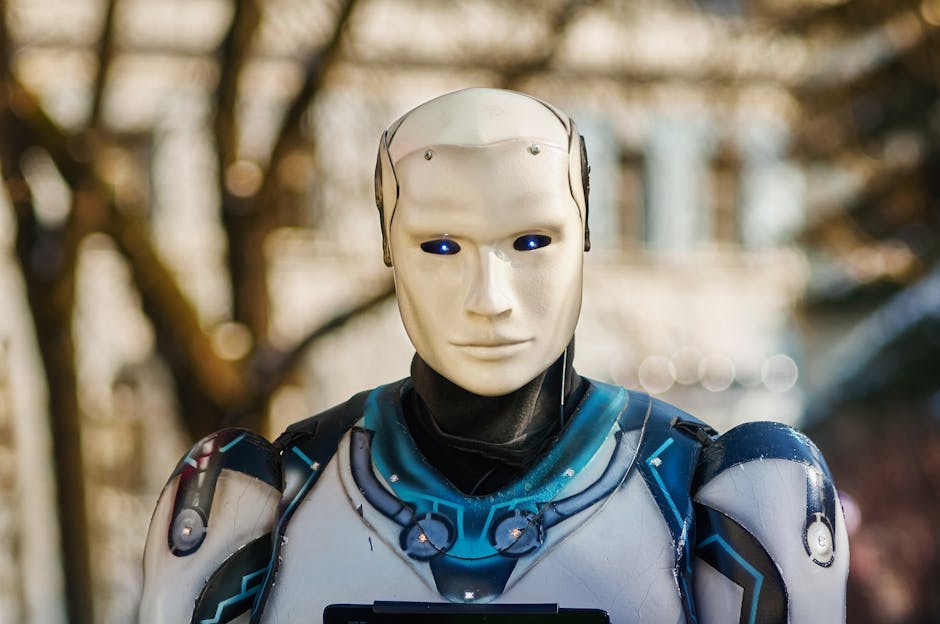
Tesla’s Optimus robots have moved from Elon Musk’s ambitious promises to actual factory floors, with the company announcing plans to deploy 10,000 humanoid robots across its manufacturing facilities by late 2026. This isn’t just another tech showcase—it represents a fundamental shift in how products get made, challenging the century-old model of human-powered assembly lines.
The economic implications extend far beyond Tesla’s walls. Manufacturing employment, which supports 12.8 million American workers, faces its most significant transformation since the introduction of industrial automation in the 1970s. Unlike previous waves of mechanization that replaced specific tasks, humanoid robots can potentially perform entire job categories, from quality inspection to complex assembly work that previously required human dexterity and decision-making.
What makes this disruption different is the speed and scope. Tesla’s Optimus robots, priced at an estimated $20,000 per unit by 2026, offer a cost structure that could replace a $50,000 annual salary worker within six months of deployment, including training and integration costs.

The Economics of Humanoid Labor
Tesla’s internal data reveals striking cost advantages for robotic workers. Each Optimus unit operates 24/7 without breaks, sick days, or benefits, delivering an effective cost of $2.28 per hour over a five-year lifespan. This compares to an average manufacturing worker cost of $35.58 per hour, including wages and benefits, according to Bureau of Labor Statistics data from 2024.
The productivity gains extend beyond simple cost calculations. Tesla’s Fremont factory reported 23% faster assembly times and 89% fewer quality defects in production lines where Optimus robots handle final assembly tasks. These robots learn from each interaction, continuously improving performance through Tesla’s neural network updates pushed overnight—similar to how Tesla vehicles receive software improvements.
Real-World Implementation Timeline
Tesla’s rollout strategy targets specific manufacturing roles first. By Q2 2026, the company plans to replace human workers in:
- Material handling and parts transport (estimated 2,400 positions across all facilities)
- Quality control inspection (1,800 positions)
- Repetitive assembly tasks like bolt tightening and component placement (3,200 positions)
- Packaging and shipping preparation (1,600 positions)
The transition affects Tesla’s workforce planning significantly. The company has announced retraining programs for displaced workers, focusing on robot supervision, maintenance, and programming roles. However, these positions require substantially different skill sets, and early data suggests only 40% of affected workers successfully transition to robot oversight roles.
Industry-Wide Ripple Effects
Tesla’s humanoid robot adoption has triggered competitive responses across the automotive sector. Ford announced a partnership with Boston Dynamics to deploy 500 humanoid robots at its Dearborn truck plant by mid-2026. General Motors has allocated $1.2 billion for robotic workforce expansion, targeting 3,000 humanoid units across North American facilities by 2027.
The ripple effects extend beyond automotive manufacturing. Amazon has quietly tested humanoid robots in three fulfillment centers, achieving 31% faster order processing speeds. The retail giant plans to expand testing to 50 facilities in 2026, potentially affecting 75,000 warehouse positions nationwide.
Labor Market Displacement Patterns
Manufacturing job displacement follows predictable patterns based on task complexity and physical requirements. Entry-level positions face the highest risk, with robots excelling at repetitive, precise movements. Mid-level assembly roles show mixed vulnerability—while robots handle physical tasks efficiently, complex problem-solving and quality judgment remain human strengths.
The geography of displacement varies significantly. Manufacturing-heavy regions like Michigan, Ohio, and Indiana face concentrated job losses, while tech centers like California and Texas see increased demand for robot technicians and supervisors. The National Association of Manufacturers estimates 2.1 million manufacturing jobs could transition to robotic systems by 2030, with 60% of displaced workers requiring significant retraining.
Economic and Social Consequences
The shift toward humanoid robots creates a two-tier economic impact. Companies implementing robotic workforces report improved profit margins and production flexibility, with Tesla projecting 18% cost savings across manufacturing operations by 2027. Stock prices for automation-forward manufacturers have outperformed traditional peers by an average of 24% since Tesla announced its Optimus deployment plans.
However, regional economies dependent on manufacturing employment face significant challenges. Cities like Detroit, Akron, and Gary have begun developing economic diversification strategies, recognizing that traditional manufacturing jobs may not return at previous levels.
Policy and Regulatory Responses
Federal and state governments are responding with mixed approaches. The Biden administration has proposed tax incentives for companies that retrain displaced workers, while some states consider “robot taxes” to fund unemployment insurance for workers replaced by automation.
Labor unions have adopted varied strategies. The United Auto Workers negotiated “technology transition” clauses in recent contracts, requiring advance notice and retraining opportunities when robots replace human workers. The International Association of Machinists has pushed for legislation limiting the speed of robotic deployment, arguing for gradual transitions that allow workforce adaptation.
Strategic Implications for Business Leaders
Manufacturing executives face critical decisions about robotic workforce integration. Early adopters like Tesla gain competitive advantages through reduced labor costs and improved production consistency, but companies must balance these benefits against workforce disruption and potential regulatory responses.
The most successful implementations focus on hybrid models initially—deploying robots for dangerous or highly repetitive tasks while retaining humans for complex problem-solving and customer-facing roles. This approach reduces resistance and allows gradual workforce adaptation.
Companies should prepare for increased labor relations complexity. Even with retraining programs, displaced workers often earn 15-25% less in new roles, creating ongoing tension and potential turnover issues. Successful transitions require significant investment in education and support systems, costs that can offset some robotic savings in the short term.
Tesla’s humanoid robot revolution represents more than technological advancement—it’s reshaping the fundamental economics of manufacturing. While the productivity and cost benefits are undeniable, the social and economic disruption requires careful management. Companies that invest in thoughtful transition strategies and worker retraining will build stronger, more adaptable operations. Those that ignore the human element of this transformation risk facing significant backlash and regulatory challenges that could undermine their competitive gains.