
The Quiet Exit From Fixed Ops
Across the country, regional auto dealerships are doing something their customers would never notice from the showroom floor: selling their service departments. Not the whole dealership – just the repair and maintenance operations. Multi-shop operators, known in the industry as MSOs, are stepping in as buyers, absorbing fixed ops divisions that dealers once considered core to their business model. The transactions are small enough to avoid major press coverage, but frequent enough that they are reshaping how vehicle service gets delivered at the regional level.
For decades, the service department was considered the financial backbone of a dealership. New car sales margins have always been thin – the money was in oil changes, brake jobs, warranty work, and collision repair. So why are dealers now walking away from it? The answer involves rising labor costs, technician shortages, regulatory complexity, and the growing appeal of a clean exit from operational headaches that have only compounded over the past few years.

What MSOs Are Actually Buying
MSOs are not a new concept. In the collision repair space, companies like regional chains have been consolidating independent body shops for years. What is newer is their expansion into mechanical service – the oil changes, diagnostics, transmission work, and manufacturer-required maintenance schedules that dealerships traditionally handled in-house. When an MSO acquires a dealership’s service department, it typically takes on the technician staff, the equipment, the bay space, and sometimes a long-term lease or service agreement with the selling dealer.
The dealer often retains the physical building and continues selling vehicles, but the service operations run under the MSO’s management, branding, and systems. Some deals are structured so that the dealer still appears to offer full-service support to customers, while the actual labor force and workflow are managed by a third party. It is a franchise-adjacent structure, and it allows dealers to collect rent and a services fee without managing technicians, parts inventory, or warranty compliance headaches directly.
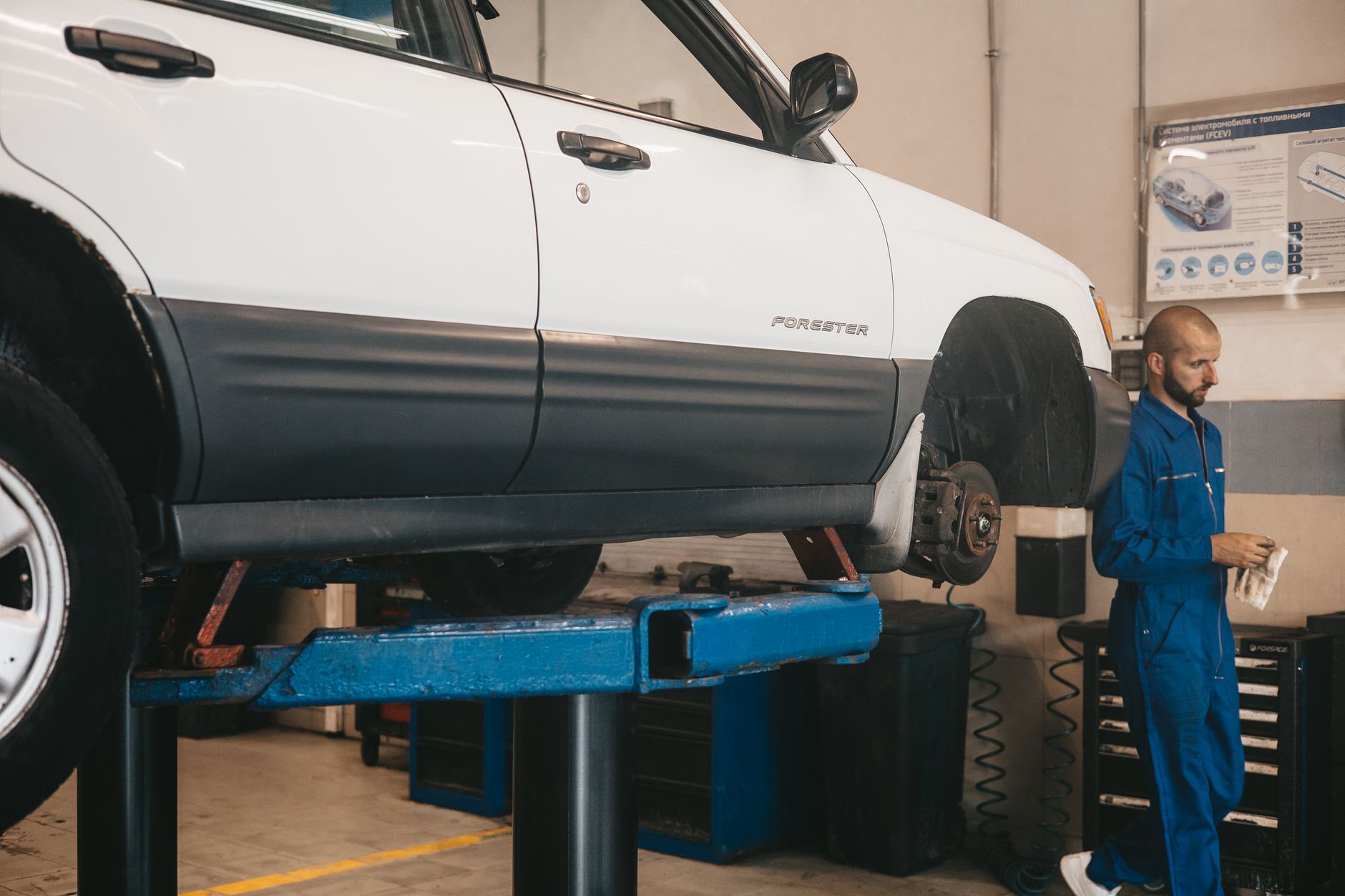
Technician recruitment is where this arrangement makes the most financial sense for dealers. Finding and keeping qualified automotive technicians has become genuinely difficult in most mid-sized markets. MSOs, because they operate at scale across multiple locations, can offer technicians better benefit packages, clearer career advancement, and more consistent scheduling than a single-point dealer running a twelve-bay shop. The MSO essentially solves a labor problem the dealer could not fix alone.
Why Dealers Are Willing to Sell
Fixed ops has always demanded operational attention that is disproportionate to its revenue line. A service department requires constant parts procurement, warranty documentation, customer scheduling logistics, and compliance with manufacturer certification requirements. Dealers who expanded aggressively in vehicle sales often found that their service departments were running at partial capacity simply because management attention was elsewhere.
There is also an accounting argument. A dealer who sells the service operation outright, or converts it into a revenue-share arrangement, can often unlock capital that was tied up in equipment, parts inventory, and staffing overhead. That capital can then be redirected into vehicle inventory, which is where most regional dealers believe their competitive advantage actually lives.
The MSO Growth Strategy
For the MSO, these acquisitions follow a straightforward logic: volume and standardization. Running service operations across ten or twenty locations allows for centralized parts purchasing, shared diagnostic software licenses, unified employee training programs, and better negotiating positions with suppliers. Margins in automotive service are not particularly wide on any single job, but they become meaningful when replicated across a large network operating under consistent standards.
What MSOs are really acquiring is not just bay space – it is customer data and recurring revenue. A vehicle owner who brings their car in for an oil change twice a year represents a known, predictable relationship. When an MSO absorbs a dealership’s service customers, it inherits years of service history, appointment patterns, and maintenance preferences. That data has value beyond the individual transaction, particularly as MSOs build out digital scheduling platforms and loyalty programs that lock in repeat visits.
The financing structures behind MSO expansion deserve attention here. Private capital has been flowing into automotive services consolidation for several years, following the same playbook used in other fragmented, recurring-revenue service industries. The pattern mirrors what has happened in other regional professional service sectors – where private capital identifies a fragmented industry, backs a platform company, and acquires individual operators at multiples that make sense at scale even when they seem generous at the unit level. Dealers who sell their service departments are often selling to entities that are themselves backed by institutional investors with a longer horizon than the dealer ever had.
The customer experience at the point of sale rarely changes visibly. The waiting room looks the same. The service advisor is often the same person. The invoice arrives with familiar branding. What changes is who signs the technicians’ paychecks, who manages parts procurement, and who captures the operational data. That invisibility is partly why these transactions attract so little public attention – and why they are likely to continue accelerating before most vehicle owners realize the structure of local auto service has shifted underneath them.

Dealers in mid-sized markets – the ones running two or three rooftops without the infrastructure of a large auto group – are the most active sellers in this space. They have enough volume to be attractive to MSOs but not enough scale to compete on the operational efficiency that MSOs can deliver. For those dealers, selling fixed ops is less a retreat and more a rational specialization. Whether the MSOs who are buying can maintain service quality across dozens of absorbed locations, while satisfying both manufacturer certification requirements and increasingly cost-conscious consumers, is the question that will define whether this consolidation wave holds together.