The Quiet Consolidation Reshaping Radiology Equipment Distribution
Small and mid-size radiology equipment dealers have spent decades building territory-specific businesses around a simple premise: hospitals and imaging centers want a local partner who knows their systems, their staff, and their service history. That model is now under pressure. Philips, the Dutch health technology giant, has been systematically acquiring regional dealers across North America, folding their service contracts, customer relationships, and technical staff into its direct distribution network. The transactions are happening with little fanfare, often structured as asset purchases that generate no regulatory filings visible to the public.
The pattern is consistent enough to describe as a strategy rather than a series of coincidences. Philips is not alone in pursuing direct-to-market control over its installed base, but the pace and geography of its dealer acquisitions have drawn attention inside the medical imaging industry. For the regional operators being absorbed, the decision to sell is rarely straightforward – it often involves a combination of succession pressure, service competition from the OEM itself, and the growing cost of keeping up with software-heavy imaging systems.

Why Regional Dealers Are Selling Now
The economics of independent radiology equipment dealership have shifted considerably over the past decade. Modern MRI and CT systems are increasingly software-defined, meaning that service contracts require constant access to proprietary software updates and remote diagnostic tools that OEMs control. An independent dealer servicing a Philips Ingenia MRI or an Azurion angiography suite is dependent on Philips for access to those tools – and Philips has discretion over the terms. That dependency has quietly eroded the independent dealer’s core value proposition: the ability to offer competitive service pricing against the OEM’s own service division.
Succession is the second driver. Many regional dealers were founded in the 1980s and 1990s by owner-operators who are now in their 60s. Their businesses are profitable, but finding a qualified buyer in the medical imaging space is difficult. Private equity has shown limited appetite for single-territory equipment businesses with thin margins and high technical staffing requirements. Philips, by contrast, offers a clean exit: the customer relationships stay intact, the technicians are often retained, and the seller gets a transaction that closes without the complexity of a typical PE deal.
The third factor is market positioning. As hospital systems have consolidated into large regional networks, their purchasing decisions have moved up the chain – handled by central procurement teams who prefer dealing directly with manufacturers rather than intermediaries. A regional dealer who once had strong relationships with individual radiology department heads finds those relationships worth less when the contract is decided three levels above the department. Philips absorbing that dealer removes a middleman that, in some procurement environments, had already become redundant.

What Philips Gains Beyond Revenue
The obvious gain from acquiring a dealer is the service contract revenue that was previously shared with or captured entirely by the independent. But the strategic value goes deeper. Regional dealers carry institutional knowledge about installed equipment that Philips cannot easily replicate: which systems are aging out, which hospital finance departments are beginning replacement budget cycles, which radiology directors are frustrated with their current configuration. Absorbing a dealer means absorbing that intelligence.
Direct distribution also gives Philips tighter control over its brand experience at the point of service. When a regional dealer services Philips equipment alongside GE or Siemens systems, the customer’s relationship is partly with the dealer rather than with Philips. A service failure reflects on the dealer as much as on the OEM. Bringing service in-house means Philips owns the customer relationship entirely – for better or worse. That matters as the company pushes longer-term managed service agreements and subscription-based software licensing, both of which require direct contract relationships with health systems.
The Regional Dealer’s Disappearing Leverage
For dealers who have not yet sold, the window for negotiating favorable terms may be narrowing. As Philips absorbs more territory, the remaining independent dealers in adjacent markets become less strategically valuable – Philips already has coverage, and it can afford to wait out or outcompete the holdouts rather than acquire them at a premium. The dealers who sold early likely received better multiples than those who will sell last.
There is also a workforce dimension that rarely gets discussed in these transactions. Regional dealers typically employ field service engineers who have spent careers maintaining specific product families. When a dealer is acquired, those engineers are often offered positions in Philips’ direct service organization – sometimes with comparable compensation, sometimes with changes to how their territories and on-call obligations are structured. Some stay. Some retire. Some move to independent service organizations that specialize in out-of-warranty equipment, which represents a parallel market that Philips cannot easily absorb.
Hospital and imaging center customers are watching this consolidation with mixed reactions. Larger health systems tend to view direct OEM relationships as simpler and more accountable. Smaller independent imaging centers, however, often depended on regional dealers for flexible service arrangements – extended payment terms, bundled contracts covering multiple modalities from different manufacturers, or willingness to service older equipment past its OEM-supported lifecycle. A Philips direct service operation is unlikely to offer that same flexibility, because flexibility is not what a scaled service division is designed for.
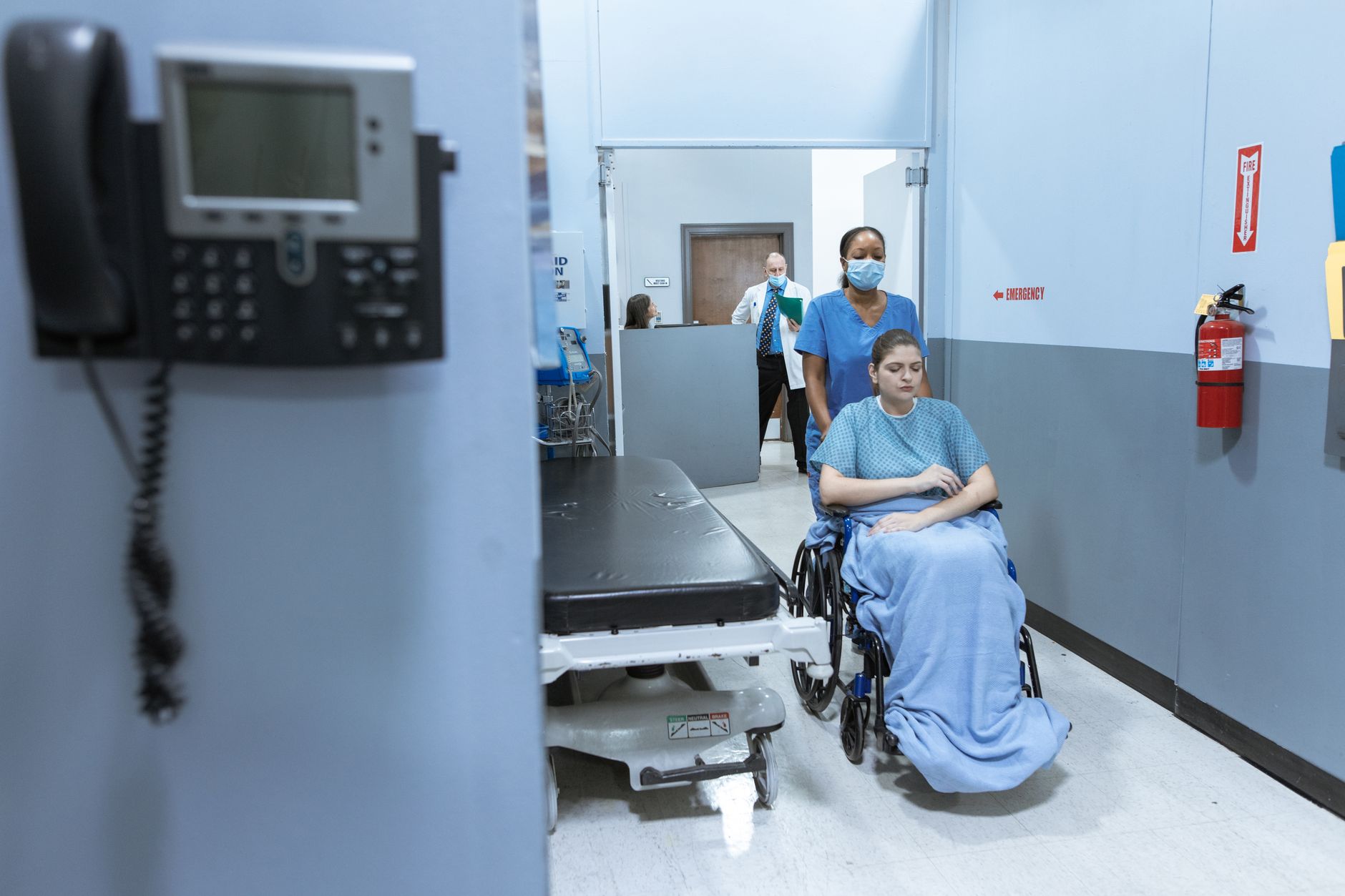
That tension sits at the center of the longer-term question. The consolidation logic is clear from Philips’ perspective: more control, better margins, stronger customer lock-in as the product portfolio shifts toward software and AI-assisted imaging tools. But the customers left without a regional dealer alternative are a different story. Independent imaging centers operating in smaller markets – rural hospitals, outpatient facilities without large capital equipment budgets – relied on the regional dealer model precisely because it could accommodate their constraints. As those dealers disappear into Philips’ direct network, the service options for non-Philips equipment at those same facilities also shrink, since many dealers serviced multiple brands. Some of those facilities are now calling independent service organizations for the first time, a segment of the market that neither Philips nor any other OEM controls – and cannot easily acquire its way into.