
Filling the Tank – and the Real Estate Gap
When a gas station closes, it rarely disappears quietly. The canopy stays. The underground tanks stay. The curb cuts and oversized parking lots stay. What convenience store chains have figured out is that all of that physical infrastructure – the kind that costs millions to build from scratch – is suddenly available for acquisition at distressed prices.

Why Gas Stations Are Closing in the First Place
The economics of fuel retail have been deteriorating for years. Independent gas station operators, and even some franchise holders, face a brutal margin structure: fuel itself generates thin profits, and the regulatory burden of maintaining underground storage tanks has become a genuine financial trap. Environmental compliance, leak detection systems, and eventual tank removal run into hundreds of thousands of dollars per site. For an aging independent operator without the capital to modernize, selling or simply walking away has become the rational choice.
Electric vehicle adoption is accelerating this pressure, but it is not the only factor. Many gas station closures are straightforwardly generational – a family-owned site that the next generation does not want to inherit, combined with a regulatory environment that punishes inaction. The result is a steady pipeline of properties hitting the market in locations that were deliberately chosen decades ago for maximum traffic exposure. High-traffic corners on state highways, suburban intersections, and commuter corridors are suddenly available to buyers who know what to do with them.
Convenience store chains are among the most aggressive buyers in this environment. The location logic is almost identical to what drove the original gas station development: easy entry and exit, high daily traffic counts, and proximity to residential neighborhoods without being inside them. A shuttered gas station is, from a convenience retail perspective, a nearly perfect property that has already cleared the hardest zoning hurdles.
The physical conversion is not trivial, but it is far cheaper than ground-up construction. Canopies can be repurposed or removed. The existing electrical infrastructure supports refrigeration and lighting loads. Parking is already abundant. The one genuine liability – the underground fuel storage tanks – is typically handled through environmental remediation, with costs often negotiated into the acquisition price or covered through state cleanup funds that exist specifically to address abandoned petroleum sites.
What the Conversion Actually Looks Like
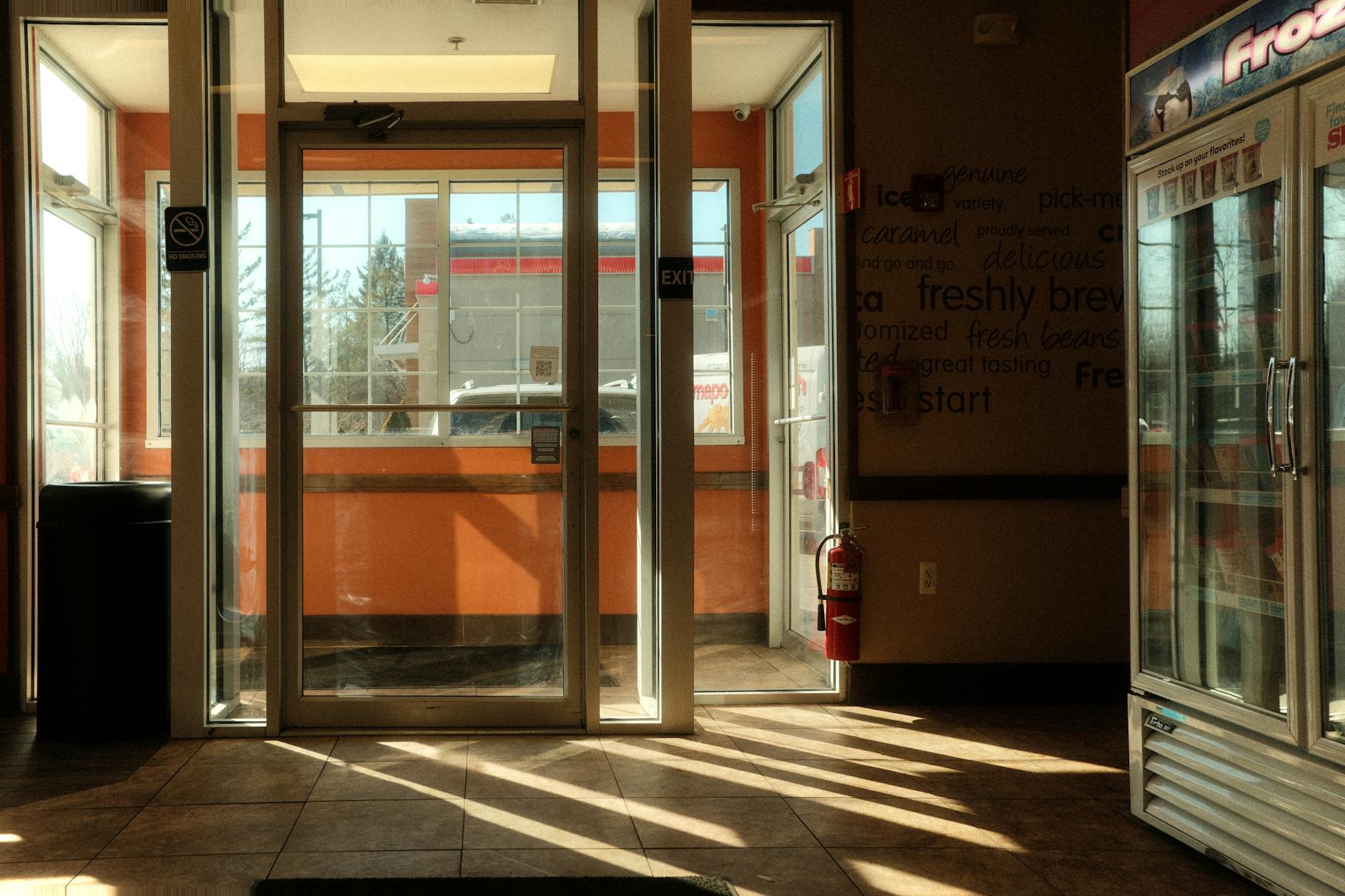
The store formats that emerge from these conversions tend to be larger and more food-service-oriented than the traditional gas station convenience model. Regional chains in particular are using acquired sites to build what the industry calls “destination” formats – expanded foodservice counters, seating areas, fresh produce sections, and sometimes full deli operations. The logic is straightforward: if customers no longer need to stop for gas, the store itself has to generate the visit.
This is a direct response to the competitive pressure from grocery delivery and fast food drive-throughs. Convenience stores have spent years watching their traditional category anchors – cigarettes, packaged snacks, fountain drinks – erode as consumer habits change. The acquired gas station sites give chains room to build something larger without paying downtown or strip mall lease rates. A freestanding converted site can support a 4,000 to 6,000 square foot format that would be financially unworkable as a new build at current construction costs.
Some chains are pairing the store conversion with EV charging installation, which creates an interesting economic inversion: the property that became available because fuel retail is dying gets repurposed partly to serve the transition away from combustion vehicles. The charging revenue alone does not justify the acquisition, but it adds a footfall mechanism – customers who park for 20 to 30 minutes while their vehicle charges become a captive audience for food and beverage sales. That is a customer dwell time that traditional convenience retail has never had access to before.
The parallel with wholesale clubs absorbing defunct department store locations is worth understanding here. In both cases, a retail format with an oversized real estate footprint collapses, and a different format with the cash flow and strategic appetite to take on large, functionally specific properties moves in. The common thread is that opportunistic acquisition beats speculative development when distressed inventory is available at scale.
Not every conversion works. Sites in rural areas with genuinely declining traffic – not just changing traffic – present a different problem. A convenience chain that acquires a shuttered station on a highway stretch that has itself been bypassed by a new interstate is not inheriting a valuable asset; it is inheriting a location problem that the original operator already failed to solve. The chains that are executing this strategy well are doing careful traffic analysis, not simply buying on price.
The Competitive Pressure This Creates
For smaller independent convenience operators, the entry of well-capitalized chains into their trade areas through these conversions is a direct competitive threat. A regional chain that opens a 5,000 square foot food-service-forward store on a newly acquired corner can undercut a nearby independent on price, out-execute on freshness, and offer loyalty programs that small operators cannot build. The independent that has been serving that neighborhood for two decades suddenly faces a competitor who did not have to pay full market value for their location.
What makes this dynamic harder to reverse is that the distressed gas station inventory is not going to stop accumulating. Environmental compliance deadlines are forcing decisions at older sites, EV adoption will continue taking volume from fuel retail, and generational ownership transitions will keep producing motivated sellers. The chains that move quickly on the best locations now are effectively locking in a real estate position that will be difficult to replicate once the distressed inventory is absorbed. Whether that advantages the consumer or simply consolidates another retail category into fewer, larger operators is a question that local markets are going to answer differently.
Frequently Asked Questions
Why are gas stations closing and becoming available for purchase?
Rising environmental compliance costs, thin fuel margins, and generational ownership transitions are pushing independent operators to sell, creating a steady supply of well-located properties.
What do convenience store chains do with old gas station sites?
They convert them into larger retail formats with expanded food service, fresh items, and sometimes EV charging stations, using the existing infrastructure to reduce build-out costs.