The Middleman Problem
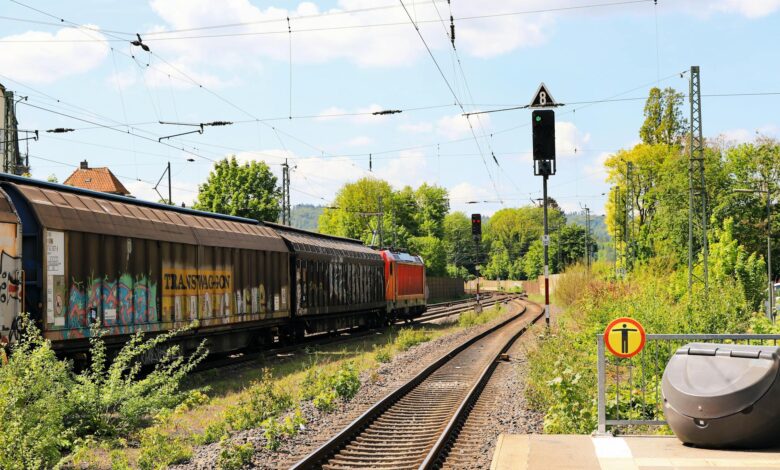
Freight brokers built their business on a simple promise: they know every carrier, every lane, and every rate better than the shippers they serve. For decades, that information gap was wide enough to sustain healthy margins and long-term client relationships. That gap is closing, and the entity closing it is not a tech startup or a rival brokerage – it is the freight railroad industry, an infrastructure sector most people assumed had already lost the logistics wars to trucking.
Major Class I railroads have been quietly expanding their intermodal sales operations, building out direct shipper relationships that bypass the trucking brokers who once served as the default intermediary. The pitch is straightforward: lower cost per mile, reduced carbon exposure, and a direct contract with the carrier itself rather than a third party taking a cut on both ends. Shippers who once defaulted to brokers for anything over 500 miles are starting to take that pitch seriously.
What Changed in the Intermodal Pitch
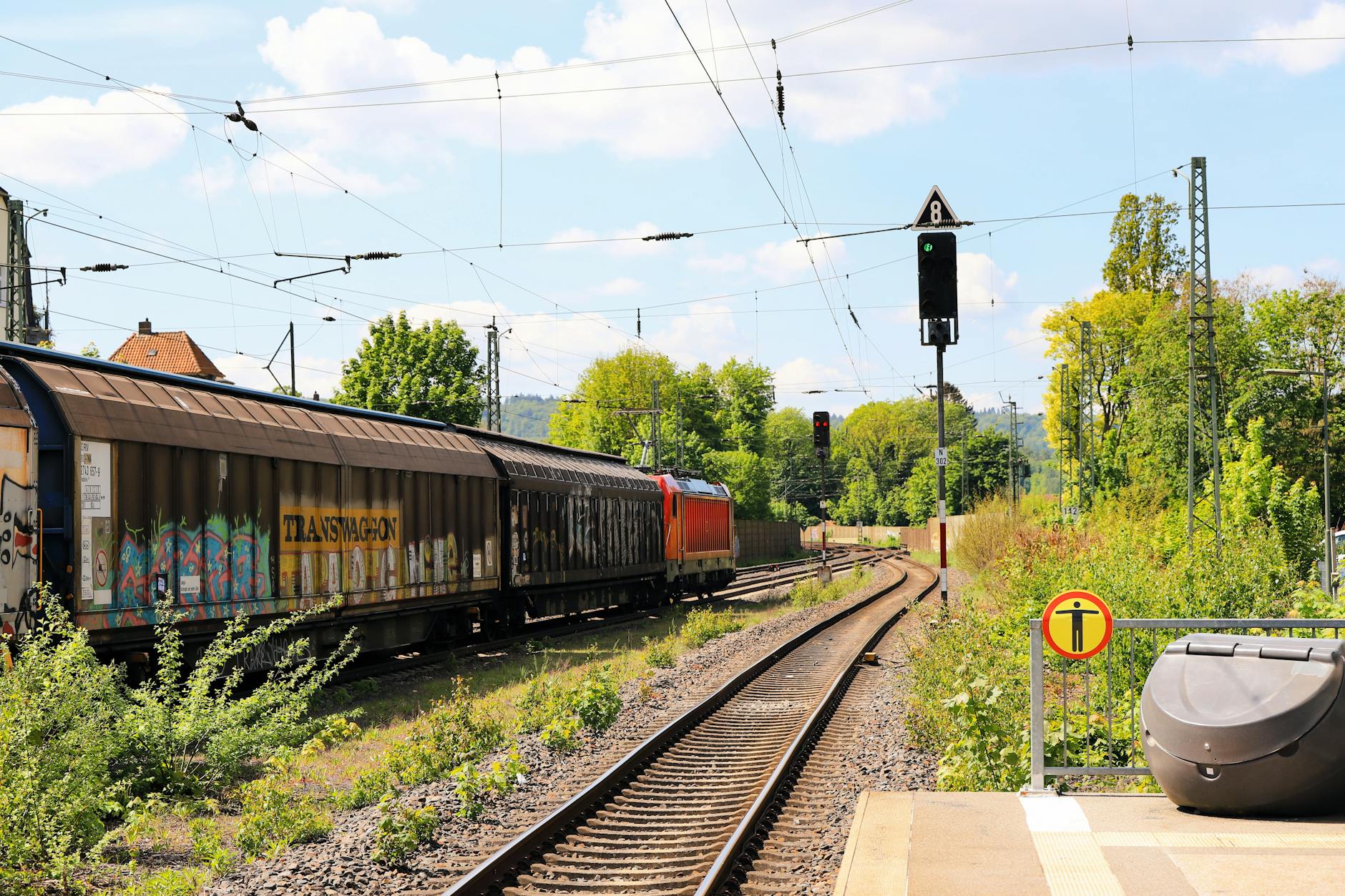
Intermodal shipping – moving containers by rail for the long haul and truck for the final stretch – has existed for decades, but it was long sold as a niche product for patient shippers with flexible timelines. Rail transit times were slower, visibility into shipment location was limited, and the booking process was clunky compared to the digital tools trucking brokers had built. That friction kept many mid-size shippers from switching even when the economics pointed toward rail.
The technology investment railroads have made in the last five years has steadily stripped away those objections. Real-time tracking platforms, streamlined intermodal booking portals, and dedicated sales teams trained to speak the language of supply chain managers rather than railroad operations have made the product easier to buy. When a shipper can get near-instant rate quotes, track a container across two thousand miles, and deal with one account representative, the broker’s coordination value starts to look thinner.
Transit time reliability has also improved on core lanes. When a railroad can credibly promise a two-to-three day window on a Chicago-to-Los Angeles move and back that promise with service guarantees, the time advantage that trucking once held becomes much smaller – especially on freight that has any scheduling flexibility at all. Consumer goods, retail replenishment, and industrial components that move on weekly or bi-weekly cycles fit that profile well, and those are precisely the categories brokers have relied on for volume.
Where Brokers Feel It First
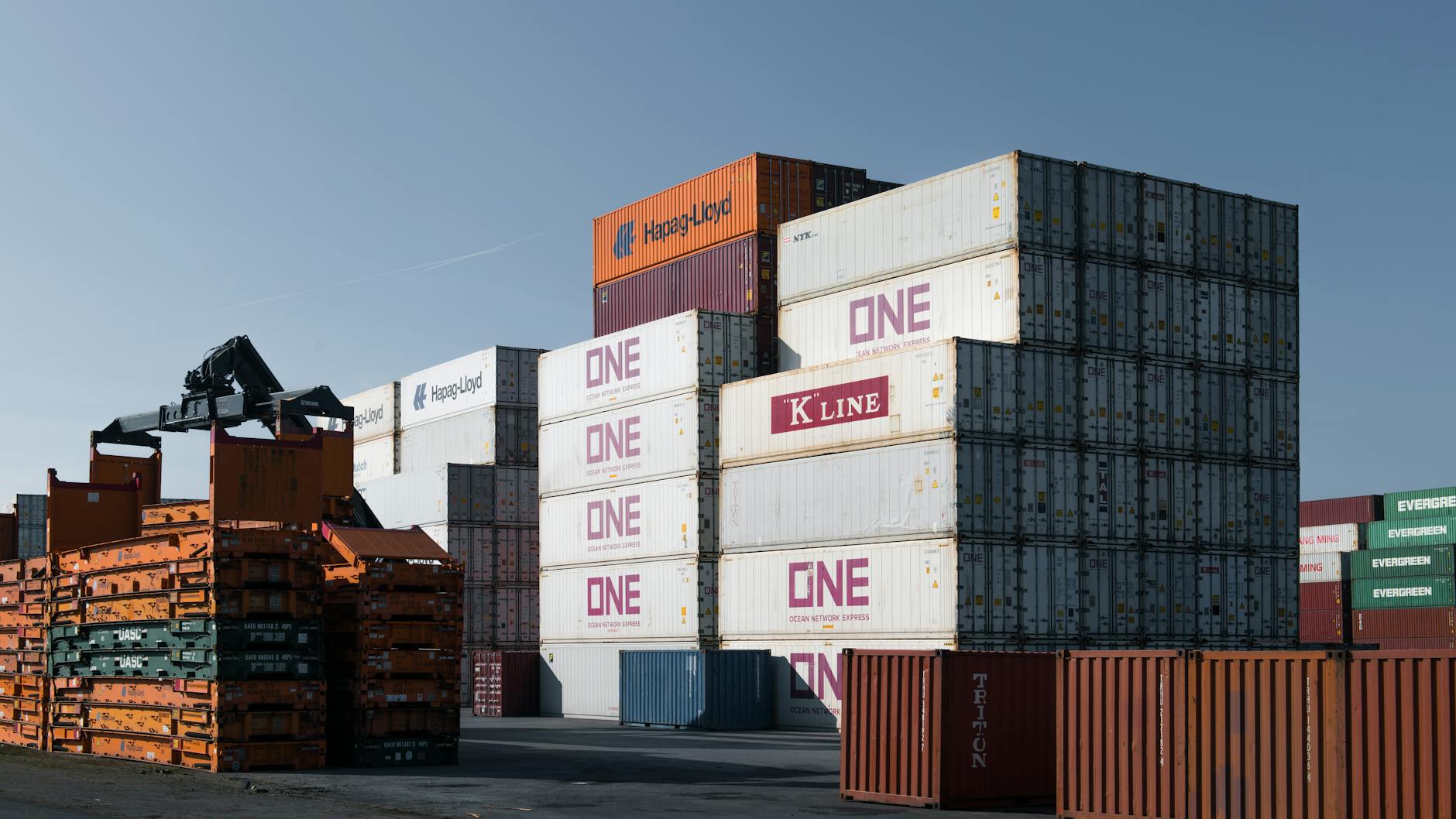
The pressure is most visible on long-haul lanes where truck capacity has historically been tight and broker margins were highest. A broker charging three to five percent on a dry van move from the Midwest to the Southeast could defend that fee when they had genuine carrier relationships and market intelligence the shipper lacked. On a lane where a railroad can offer a competitive door-to-door rate through its own drayage partnerships, that defense gets harder to make in a renewal conversation.
Smaller regional brokers who concentrated on transcontinental freight are the most exposed. They lack the technology investment and shipper breadth to pivot quickly, and they cannot match the capital depth that allows Class I railroads to offer shipper incentive programs and volume commitments. The large national brokers have more runway – their value proposition extends into supply chain software, managed transportation services, and spot market coverage that rail cannot replicate – but even they are watching account retention more carefully on high-volume contracted lanes.
The Cost Math That Drives the Conversation
Fuel cost is the clearest number in the room. Rail moves freight at a significantly better fuel efficiency ratio than over-the-road trucking, and that difference flows directly into pricing on long-distance lanes. When diesel prices spike, the rate gap between rail and truck widens, and shippers who had not revisited their modal split in years suddenly find the conversation worth having. The railroads know this and have timed their direct outreach accordingly.
Driver availability is a structural factor that has not gone away despite cycling through peaks and troughs in media coverage. Long-haul trucking continues to struggle with driver retention, and that constraint puts upward pressure on spot rates and, over time, on contract rates as well. Every dollar per mile that truck rates rise makes intermodal more attractive on lanes where rail can compete, and it makes the broker’s rate-shopping value less unique when one of the competitive options is a railroad selling direct.
The margin question is where brokers feel the existential pressure most directly. When railroads sell direct, they can price below what a shipper would pay through a broker while still capturing better net revenue – because they are removing the intermediary entirely. That is not a pricing war; it is a structural repricing of who owns the customer relationship. Shippers who run tight logistics budgets and use freight spend data closely are doing that math on their own.
This dynamic also touches on a broader pattern playing out across financial and commercial intermediaries – the same logic that has put pressure on full-service wealth management firms facing direct-access competitors applies here: when the underlying product becomes easier to access without a middleman, the middleman needs a stronger reason to exist. Freight brokers who survive this pressure will be the ones who genuinely add decision-making intelligence and technology beyond simple carrier matching. The ones who built their business on access alone are operating with a narrowing advantage – and the railroads are counting on exactly that.
Frequently Asked Questions
How are freight railroads competing directly with trucking brokers?
Railroads are building direct sales teams, improving intermodal booking platforms, and offering competitive door-to-door rates that remove the broker from the transaction entirely.
Which shippers are most likely to switch from brokers to direct rail contracts?
Shippers moving high-volume freight on long-haul lanes – particularly retail replenishment and consumer goods – with flexible transit windows are the most likely candidates for intermodal conversion.